Most of us have dealt with or deal with some form of back pain throughout our lives. Sometimes it can be a small ache that we can work through, and other times it can be severe, scary or keep us from doing the things that we love. If you scour the internet for information on what causes back pain, how to manage it, and how to prevent it, you will be met with a lot confusion and more information than you will know what to do with.
Our chiropractor Dr. Kevin Haines sat down on our podcast, which can be found here, to simplify back pain and to lay out the road to success, staying active in the gym, and getting back to the activities you love to do. In the following few minutes, you can read through this summary of back pain, and how to manage it safely and appropriately.
Why do I have back pain?
You’ve probably been told why you have back pain. It could be a specific muscle strain, you lifted wrong, you have a weak core, you have poor posture, your back is degenerating, etc. Now despite the fact we said we would be keeping things simple, this is the one case where things are not simple. The “why”, “how” and “what” of your back pain is often far more complex than to blame one very specific cause. When pain arises, it can be a combination of muscles, joints and other tissues that have been irritated or are feeling sensitive. Your pain experience can also be influenced by your day to day activities, your attitudes towards the pain, and your behaviours surounding it.
Let’s be clear about one thing, avoiding activity and movement is one of the least beneficial approaches to managing back pain. The longer you rest and avoid activities, the longer it may last. But the typical response to back pain is to avoid; avoid moving certain ways, avoid exercising, avoid lifting, avoid being social with friends and family. While there may be a time and a place to avoid certain activities or movements to let your back calm down, getting back to doing what you can tolerate is extremely important.
So while it may be possible to pinpoint a specific injury, most of the time your back pain can be influenced by other things, which is why a very specific and singular approach to managing the pain can often lead to less desirable results.
Back pain myths
Let’s cover a few of the common myths surrounding the causes of back pain:
You have back pain because your core is weak: This is likely not the case. While general strength and endurance can be very helpful to reduce the risk of developing back pain, most of us have adequate strength in our core muscles. Where the focus should lie is improving strength, resilience and our capacity to do bigger movements and day to day activities. A plank or a deadbug can be a nice point of entry if your back is extra sore or sensitive, but it likely won’t translate to reducing your risk of aggravating your back during heavier or bigger lifting activities.
You have back pain because you have bad posture: This is another myth that isn’t overly helpful for many people with back pain. Any one posture is not in itself linked to developing back pain. The key is to change up a variety of postures and limit excessive time spent in one specific position. While slouching is often fround upon, it can feel quite comfortable and is not associated with back pain. Try to change up positions often, and move more throughout the day.
You have back pain because you lifted something “wrong” or with “bad” technique: Similar to postures, one specific technique or lifting form isn’t directly attributable to developing low back pain. What is often more important when it comes to hurting your back is not HOW you lift something, but rather, was your body and back able to lift what you did? Was it too heavy? Were you already excessively tired before doing that activity? How much of that activity did you do before you reached a point where your back had enough? It can be completely safe to lift with a round back, and often in day to day life you must lift with “imperfect” form. If your back is strong and prepared to do so, the risk of hurting yourself is lower.
You have back pain because of your age: If you’ve ever had any imaging (x-ray, MRI, etc.) done on your low back and were told you have a “degenerative” spine, you may have attributed this to your back woes. While there is a possibility that arthritis or other conditions may be related to your back pain, it isn’t always a guarantee, and it certainly isn’t guaranteed doom and gloom. A better way to put many of these “degenerative changes” is actually “age related changes”. As we live life longer, our spine adapts to the stresses it has gone through. One of the best ways to manage these changes is to keep the spine active and moving, not the other way around.
What can I do to manage my back pain?
Getting back to movement and activities as soon as tolerable is important. You can work with a professional to get a better idea of what might be going on, some of the aggravating factors, and to develop a plan of care to get you back to where you need to be.
Identifying aggravating factors can be helpful in the early stages. This will allow you to reduce how often you are performing these activities or movements to let things ease off for the early part of your rehab. This will also give you an idea of what needs to be worked on once you start feeling a bit better. We don’t want to completely avoid these activities or movements – if you don’t build up confidence in your ability to perform these movements, you will either avoid them, limiting what you can do day-to-day, or you run the risk of reaggravating your back when you innevitably have to perform these activities again.
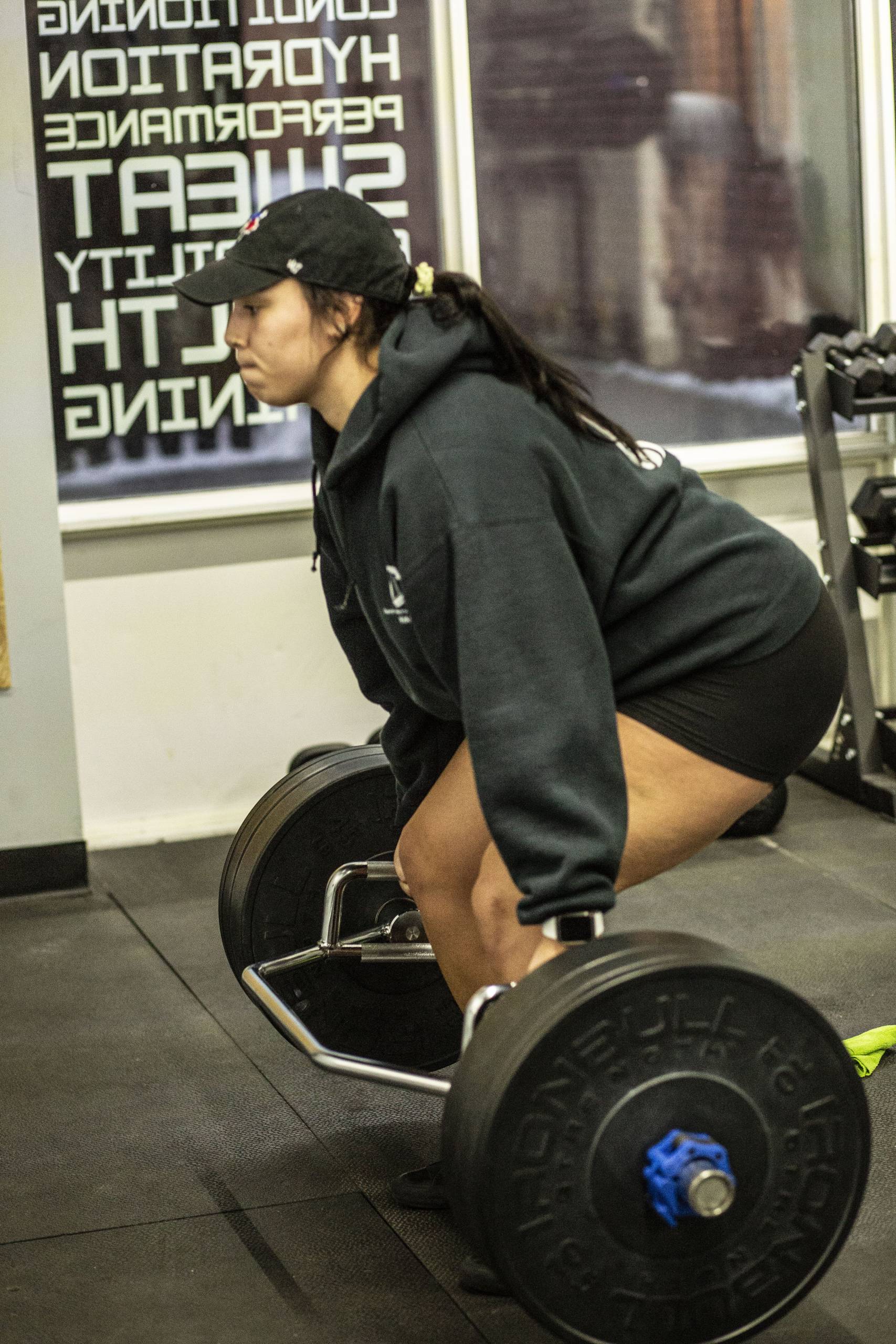
It is extremely important to build up your strength, and your back’s ability to withstand stress in a variety of positions and movements. Having a plan to improve physical function and build strength is a staple of any good rehab plan. The idea is to start with movements and exercises you can perform without too much pain, and to gradually increase the intensity as you progress. For example, you may be starting with some bodyweight exercises or specific core exercises, but you will likely progress to other exercises that mimic your important activities, like deadlifts, upper body pushing or pulling movements, or other types of bending and twisting to build up your back’s capacity.
Finally, if you are already an active individual with a current workout plan, working with someone who can modify your plan based on what your body can handle will be extremely important to remain active, with a lower risk of reaggravating your symptoms. This could include coming up with short term exercise modifications, or adjusting your program parameters like the weights you are using, the reps and sets you are performing, the frequency of your training regime, or modifying technique to a more comfortable position.
While the road can seem long and daunting at times, remember that most back pain resolves within 4 weeks. Seeking temporary relief can help during these 4 weeks, but coming up with an appropriate management plan will be helpful in reducing the risk of recurrence of your back pain, and improving your physical function and quality of life.
Have any other questions? Reach out to us at themvmtpc@gmail.com to see how we can help you with your back pain, and getting back to doing the things you want and love to do.